
Autohive performance review agent: Proactive code analysis
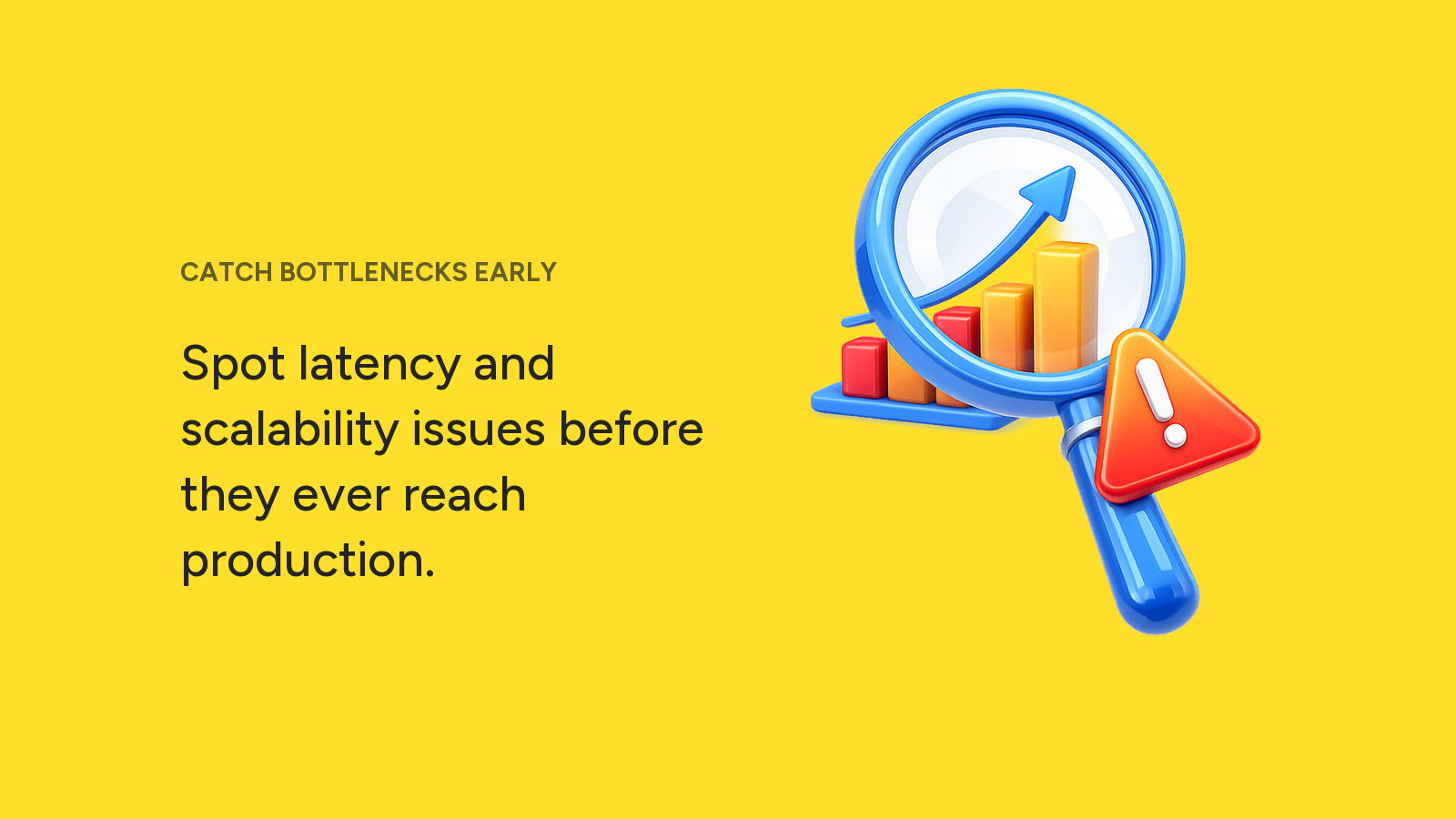
The Autohive Performance Review Agent identifies code changes that will lead to production issues before they deploy. This agent conducts a thorough code review, simulating real-world loads and conditions to pinpoint potential performance bottlenecks and scalability risks. It helps prevent costly production incidents by analyzing your pull requests through the lens of a live system.
This agent tackles the critical problem of hidden performance flaws. Many issues like N+1 queries, sequential operations that should run in parallel, or unbounded database queries appear harmless in development but devastate performance in production. The agent looks at the full file context, not just isolated lines, ensuring a comprehensive understanding of how your code will behave under real user loads and with a real database.
Key performance review features
- Deep code context analysis: Reads the full content of changed files to understand surrounding logic and impact.
- Identifies N+1 queries: Pinpoints database inefficiencies where a loop repeatedly queries the database.
- Detects sequential awaits: Flags asynchronous operations that could execute concurrently for faster results.
- Finds unbounded queries: Locates database queries that lack limits and can cripple performance with large datasets.
- Simulates production load: Evaluates code as it would perform under high usage, not just ideal conditions.
- Git and GitHub integration: Operates directly within your existing development workflow for streamlined reviews.
Benefits of optimized code
- Reduces production incidents: Prevents performance-related outages and system slowdowns.
- Improves application speed: Ensures your software remains fast and responsive for users.
- Lowers infrastructure costs: Optimizes resource usage by preventing inefficient code from consuming excessive server capacity.
- Enhances developer productivity: Frees up development teams from debugging post-deployment performance issues.
- Ensures scalability: Prepares your application to handle increased user traffic and data volumes without degradation.
When you submit a pull request, the Autohive Performance Review Agent provides direct, actionable feedback on potential performance pitfalls, helping you ship more robust and scalable code.
Learn More
Use Case Scenarios
Catching Production Bottlenecks Before Deployment When a developer submits a pull request that looks clean on the surface, the Performance Review Agent digs into the actual query patterns and async behavior to uncover hidden inefficiencies. It identifies N+1 query problems, sequential database calls that should execute in parallel, and unbounded data fetches that perform fine with test data but will collapse under real user load. This prevents 2am production incidents before code ever ships.
Scale Testing Without the Infrastructure A startup team doesn't have the resources to spin up production-scale load testing environments for every PR. The agent simulates how code will behave at scale by analyzing database access patterns, loop efficiency, and resource consumption. It catches the "works fine in dev" problems that only surface when thousands of concurrent users hit your infrastructure, saving weeks of debugging and potential revenue loss from downtime.
Onboarding Junior Developers with Performance Awareness New team members often write functionally correct code that becomes a performance liability at scale. The agent provides specific, contextual feedback on their PRs—explaining why sequential awaits hurt throughput, how unbounded queries cascade into database exhaustion, and what patterns prevent these issues. This accelerates the learning curve for performance-conscious development without requiring senior engineers to manually review every submission.
Preventing Database Meltdowns from Innocent Changes A seemingly small query modification or loop refactor can introduce exponential database load when deployed to production. The agent analyzes the full file context to understand how changes interact with existing patterns, catching issues like queries inside loops or pagination parameters being lost in refactors before they become incidents.
Continuous Performance Standards Across Teams Distributed engineering teams with different performance awareness levels can maintain consistent standards. The agent automatically flags regressions and anti-patterns in every PR, ensuring that performance expectations stay enforced regardless of who's writing the code or which timezone they're in.
Applications
Backend and Infrastructure Teams API servers, microservices, and database-backed systems are where performance issues cause the most damage. The agent provides specialized review coverage for teams where slow code directly impacts user experience and infrastructure costs, catching the query patterns and async bottlenecks that traditional code review often misses.
High-Traffic Web Applications E-commerce platforms, SaaS products, and social networks operating at scale benefit from proactive performance review on every change. The agent's focus on production-scale concerns—N+1 queries, unbounded fetches, sequential operations—directly addresses the challenges these systems face as user bases grow.
DevOps and Platform Engineering Teams responsible for system reliability and cost optimization use the agent to prevent performance regressions that increase infrastructure spend or reduce system capacity. It catches inefficiencies before they balloon cloud bills or require expensive scaling.
Startup Engineering Teams Resource-constrained teams that can't afford dedicated performance engineers or elaborate load testing infrastructure get production-aware code review capabilities at scale, reducing the risk of growth-killing performance bottlenecks as usage increases.
Enterprise Development Organizations Large teams with distributed responsibility for shared codebases benefit from consistent, automated performance standards that prevent any single PR from introducing infrastructure-threatening inefficiencies.
 GitHub
Frequently Asked Questions
What specific performance issues can the Autohive Performance Review Agent identify?
The agent is designed to find common yet critical performance bottlenecks that often surface under production load. This includes identifying 'N+1' query problems where a single operation leads to many redundant database calls; sequential `await` statements that could be executed in parallel for faster results; and 'unbounded queries' that perform well in development but can bring down production systems by trying to retrieve too much data. It focuses on issues that impact scalability, cost, and user experience by understanding the full file context, not just changed lines.
How does the Autohive agent integrate into my existing development workflow, specifically with Pull Requests?
The agent integrates directly into your Pull Request (PR) workflow on GitHub. When triggered on a PR, it will clone your repository (using resilient shallow-clone fallbacks), read the full context of every changed file, analyze the code for potential performance issues, and then post inline comments directly on the PR. These comments will highlight specific problematic code sections and explain why they might cause performance problems when deployed to production.
What programming languages and frameworks does the Autohive agent support?
While the agent's core logic focuses on universal performance anti-patterns like N+1 queries, sequential operations, and unbounded data fetches, the provided details do not explicitly list specific supported programming languages or frameworks. It analyzes code based on common patterns that lead to these issues, aiming for broad applicability. Users should test the agent with their specific codebase to evaluate its effectiveness for their chosen language and framework.
What kind of repository access or permissions does the agent need?
To perform its review, the agent requires read access to your Git repository (including private repositories via credential injection) to clone it and analyze the full context of your code. It also needs permissions to post comments on your Pull Requests to provide its findings directly within your review workflow. The agent analyzes your code statically and within its container environment; it does not require direct access to your production databases or live application environments.
Expand this agent's potential
Unlock more possibilities by combining this agent with the following.
 Workflow Failure Triage
Ranks workflow failure hypotheses and builds safe diagnostic and recovery plans.
 Autohive Security Review Agent
Reviews pull requests for security vulnerabilities by thinking like an attacker.
 Autohive Memory Review Agent
Identifies memory leaks and resource mismanagement in pull requests to prevent production performance issues.
 Autohive Code Review
Automates comprehensive code reviews for GitHub pull requests, covering security, performance, memory, and quality with inline comments.
 Operational Efficiency Bot
Finds and resolves operational bottlenecks in your business processes to deliver 20-40% time savings.